Psychosocial hazards at work: what actually helps
Psychosocial hazards are now part of work health and safety law across Australia, and many organisations are working out what that means in practice. A common first response is a training module and a wellbeing day. Both can help. Neither is enough on its own.
What counts as a psychosocial hazard
Safe Work Australia's model Code of Practice, Managing psychosocial hazards at work, lists hazards such as high or low job demands, low job control, poor support, unclear roles, poor organisational change management, workplace conflict, bullying and harassment, and exposure to traumatic events. These come from how work is designed and managed, not from individuals being weak.
Under WHS law, organisations need to identify these hazards and manage the risk they create, the same way they would manage a physical hazard.
Controls first
The most effective controls change the work itself: workloads, staffing, how change is managed, how conflict is handled, how much say people have in their work. These sit with leaders and the organisation, and they are where most of the impact is.
ISO 45003, the international guidance on psychological health and safety at work, takes the same view. It treats psychosocial risk as part of the overall safety management system.
Where training and wellbeing sessions fit
Training and wellbeing sessions are useful when they support those controls, not when they stand in for them. They help in a few clear ways:
- leaders learn to spot early signs of strain and respond well
- people understand what psychosocial hazards are and how to raise them
- teams get practical skills for handling pressure, which is where mental fitness and breathwork come in
What they cannot do is fix a role that is overloaded or a culture that tolerates poor behaviour. If a wellbeing session is the only response to a known hazard, people notice, and trust drops.
Three questions before you fund an initiative
- Which hazard is this meant to address, and is there also a control that changes the work?
- Who is running it, and are they qualified to do it safely?
- How will we know if it helped?
How we approach it
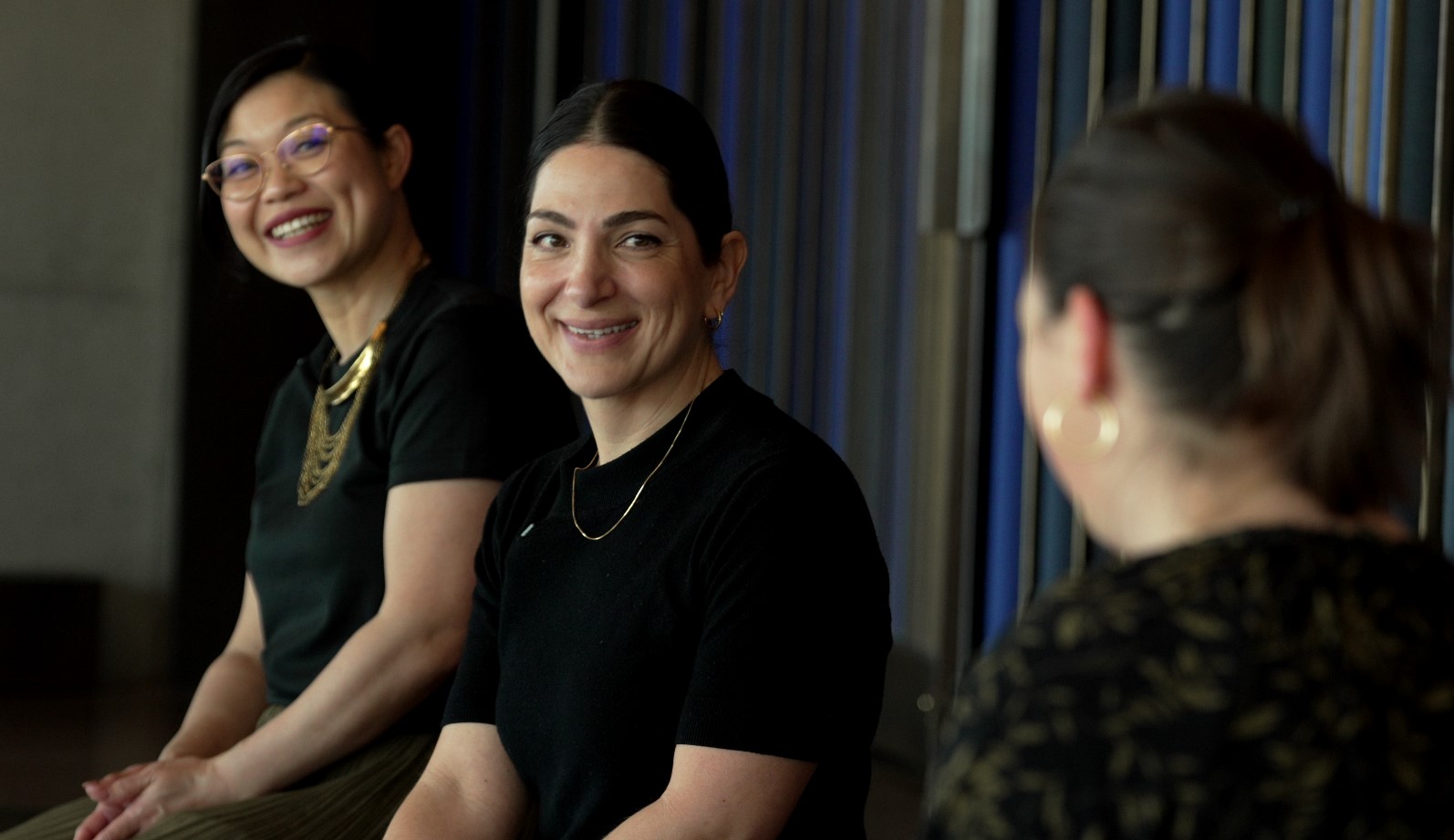
Our co-founders bring both sides. Lucine Setian is a workplace safety specialist with more than 12 years in WHS. Dr Yen Lim is a clinical psychologist. We help organisations build mental fitness as one part of a wider approach, and we are clear about where breathwork fits and where it does not. Read more about how we work.
This article is general information, not legal advice. For your obligations, see Safe Work Australia and your state regulator.